


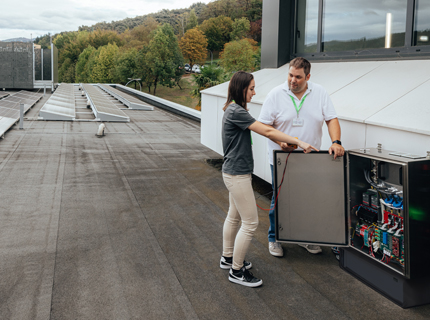
We design thermofluidic and thermo-mechanical electrical storage systems using numerical and experimental tools, focusing on their safety, reliability, efficiency and useful life. We also design thermal systems with low pollutant emissions (burners, boilers, furnaces, among others), thus helping to decarbonise the electricity, transport, domestic and industrial sectors.
We use numerical simulation models to design and optimise combustion systems, including those for conventional and H2 fuel flames, as well as heat transfer processes in burners, boilers, and furnaces.
We use numerical simulation models to design and optimize battery packs, including thermal and mechanical behaviour and thermal runaway behaviour, designing integral solutions (cooling, compression elements, safety, etc.).
We work on the experimental characterisation of the systems in the combustion (built for 100% hydrogen) and electrical storage laboratories, respectively, where we also validate the systems developed, ensuring their performance, safety and durability.
Our pioneering and high-level facilities offer the essential tools to carry out tests and validations of different technologies and thus address challenges such as sustainability, energy efficiency and cybersecurity.
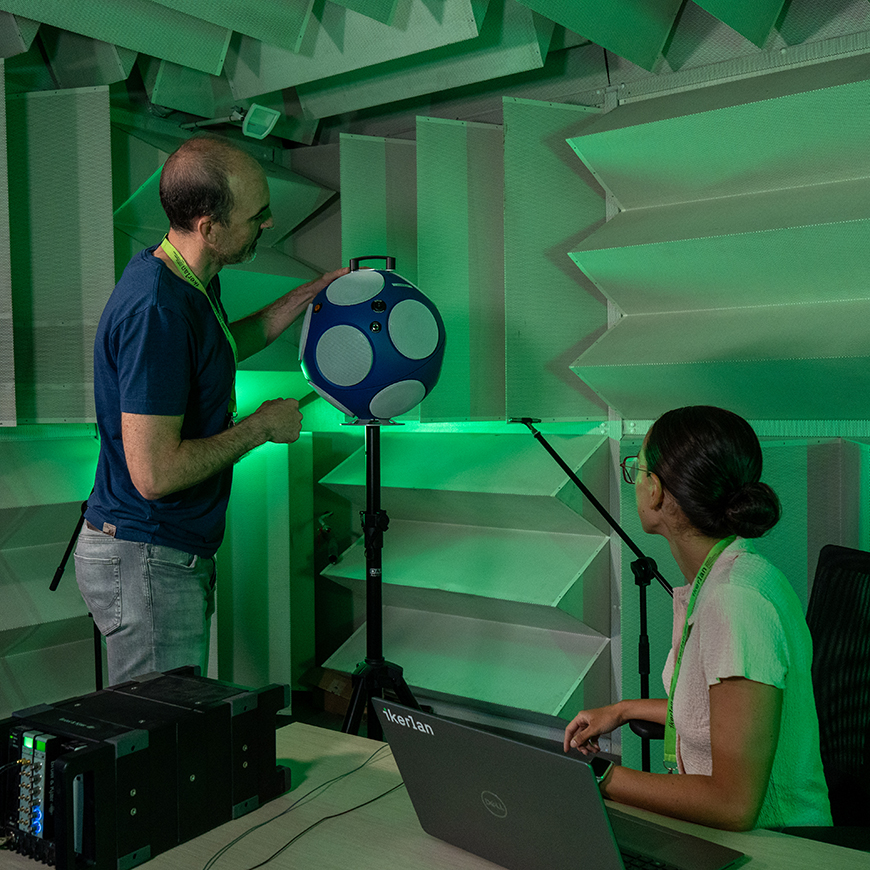
Our expertise lies in designing and optimising safe and robust electrical storage systems and low-emission combustion systems to help decarbonise the electricity, transport, domestic, and industrial sectors. We rely on our experimental and simulation capabilities to achieve this goal.